5 MIN READ / INTERACTIVE MOTION STUDYOne Clock.
One Clock.
Many Movements.
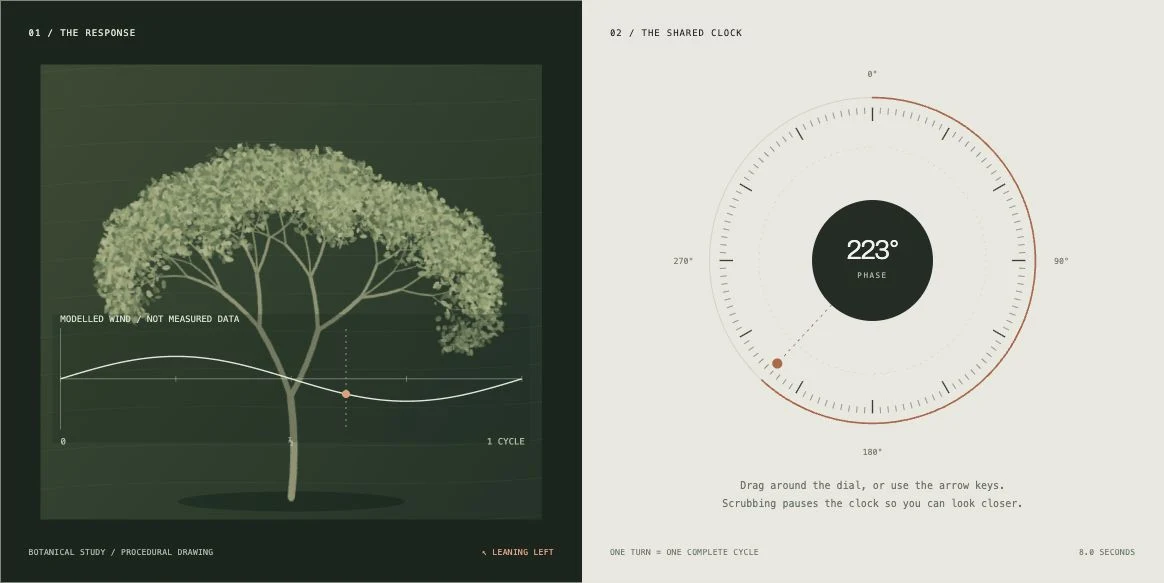
Connect a turning dial, a sine wave and a swaying tree. One shared phase keeps everything in rhythm.
A little curiosity, explained
A closer look at how things work. Short films. Working experiments. Ideas you can make your own.
Find your next discovery01 / Learn by looking closer
Small ideas.
Working experiments.
Connect a turning dial, a sine wave and a swaying tree. One shared phase keeps everything in rhythm.
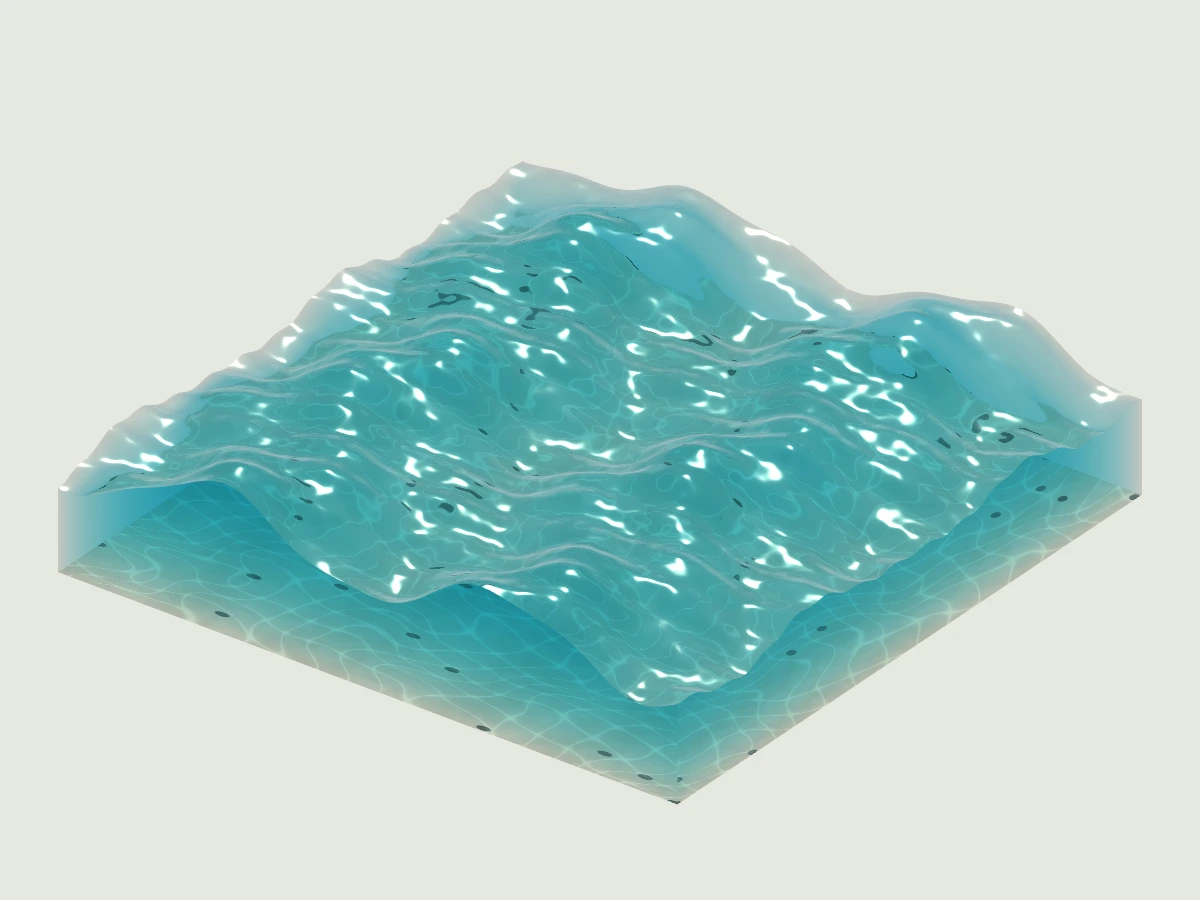
Start with one sine wave. Add a few more, build a surface, and let the light find it.
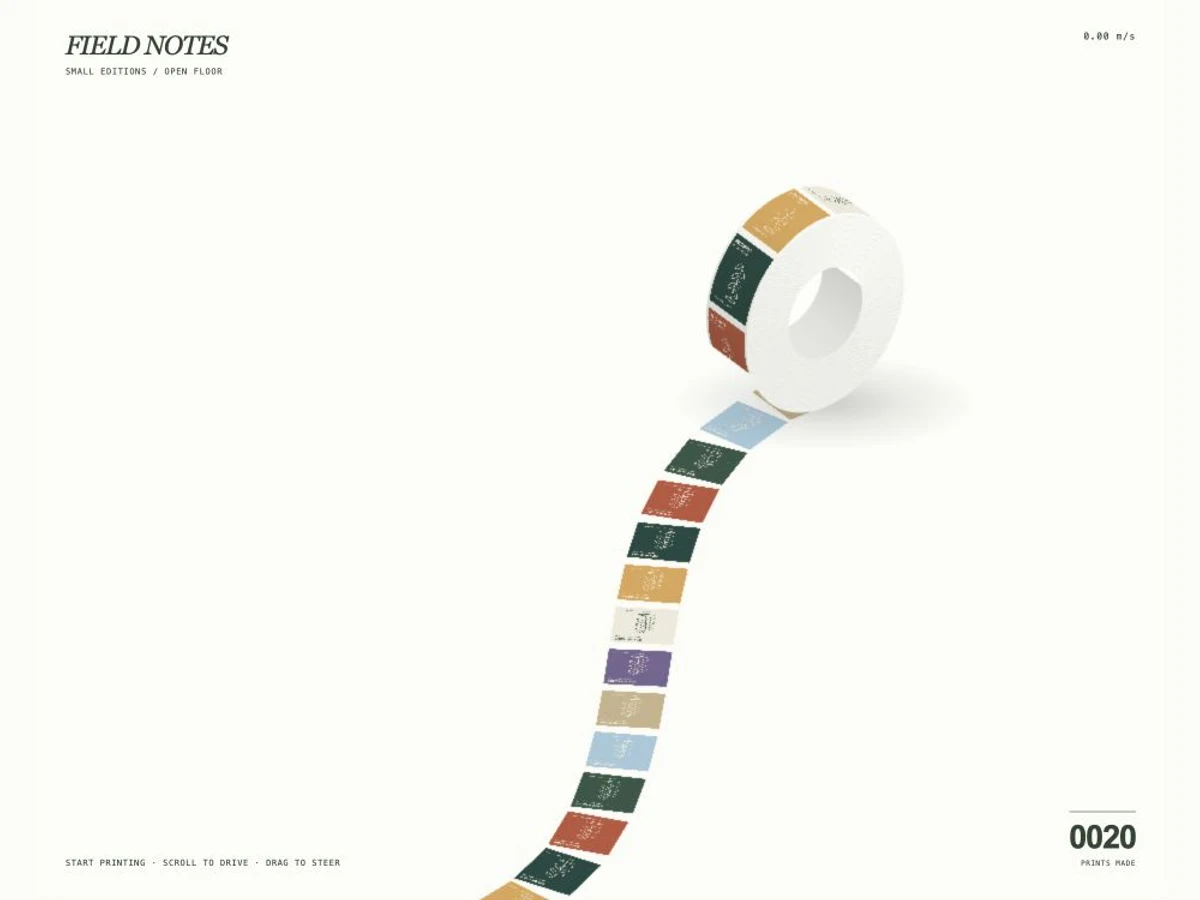
Drive a paper roll. Leave a poster trail. Turn distance, steering and a little coasting into a physical interaction.
Begin with a silhouette. Let colour cross the edge. Keep a little grain, and make the poster yours.
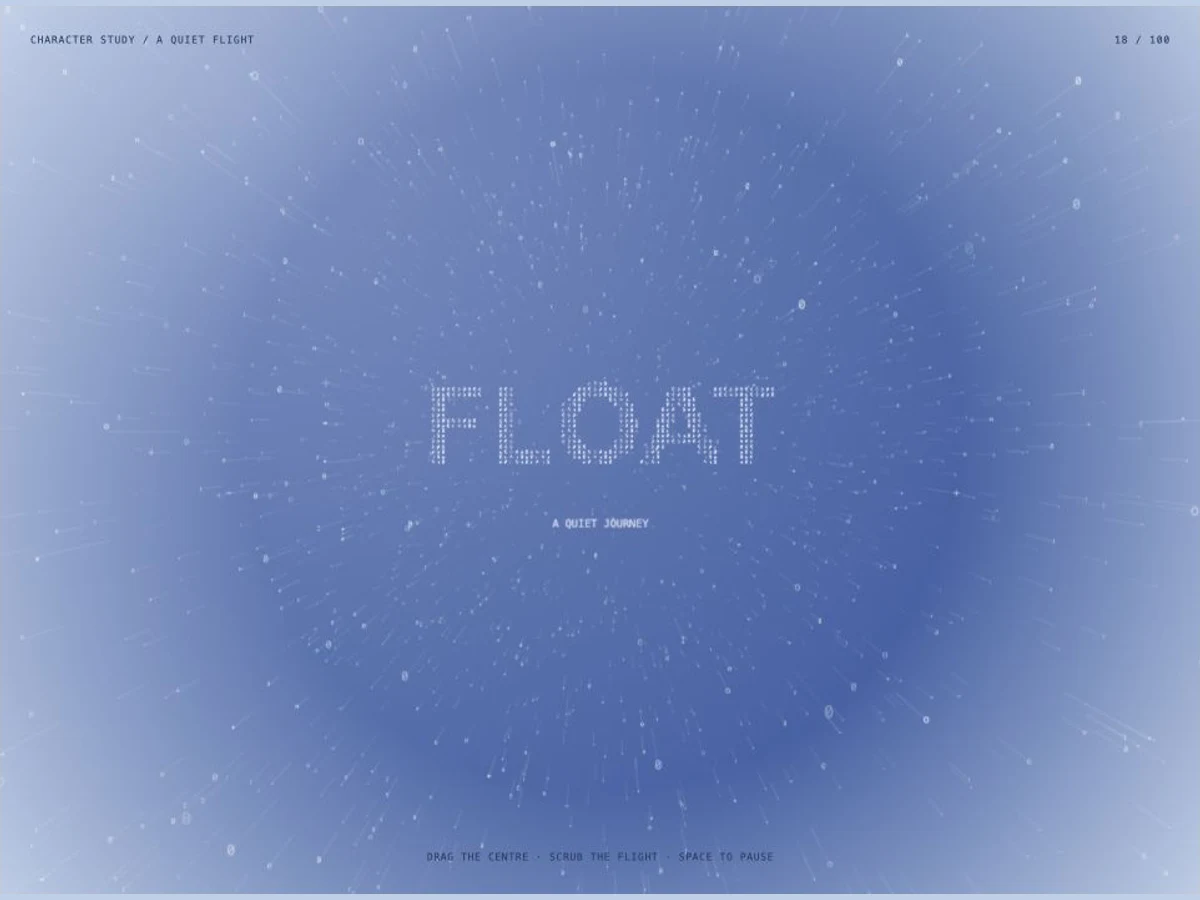
Give tiny characters a depth. Let them travel through a soft field, and build a word from smaller marks.
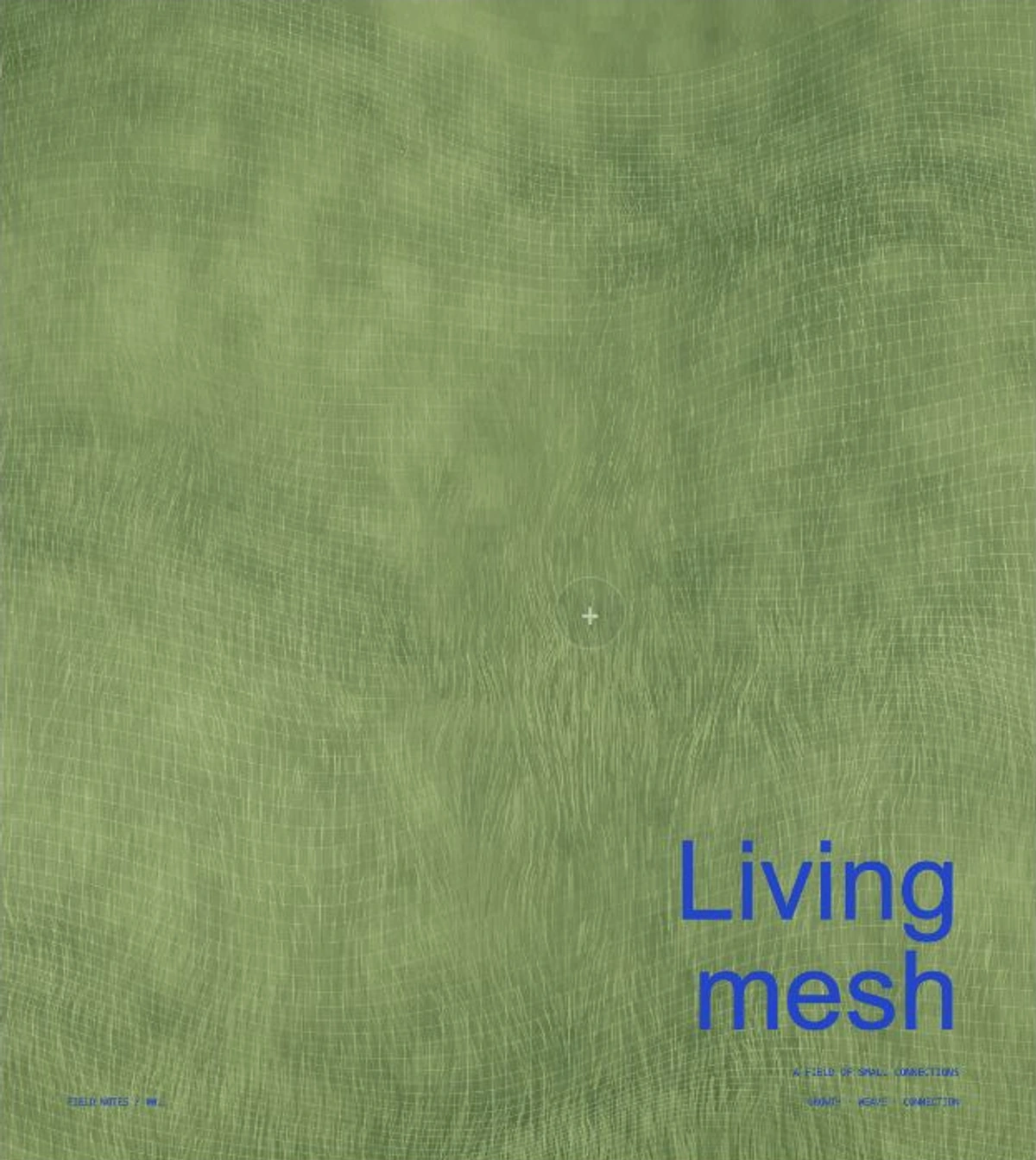
Grow a field. Drape a mesh. Let vegetation hide and reveal a fine weave, then compose your own poster.
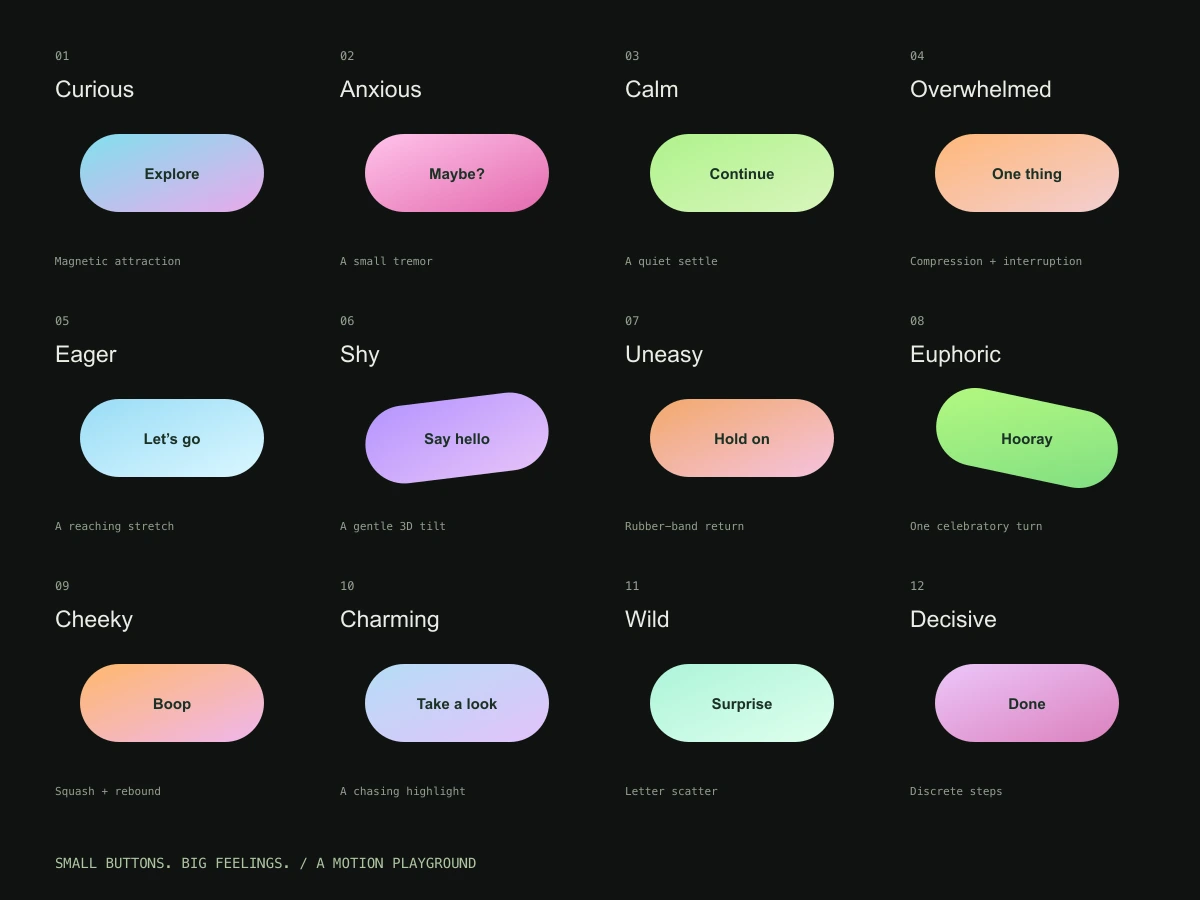
Make a button curious, shy or euphoric. Try twelve moods and tune the movement that gives each one character.
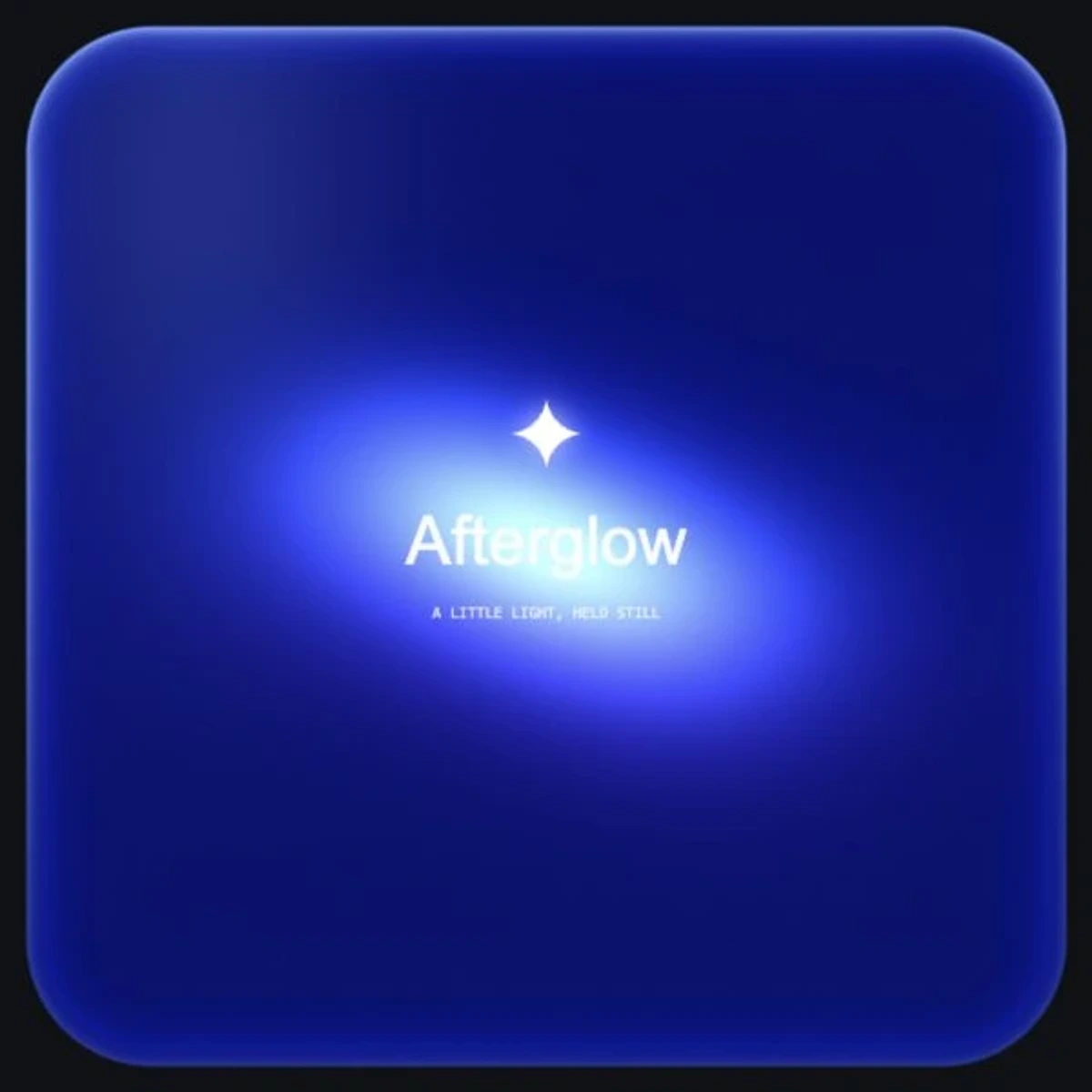
Place a glow. Bend the colour. Build six atmospheric card treatments and make the type your own.

Build a bevel in grey. Move the light. Give every shade a new colour with an editable lookup table.
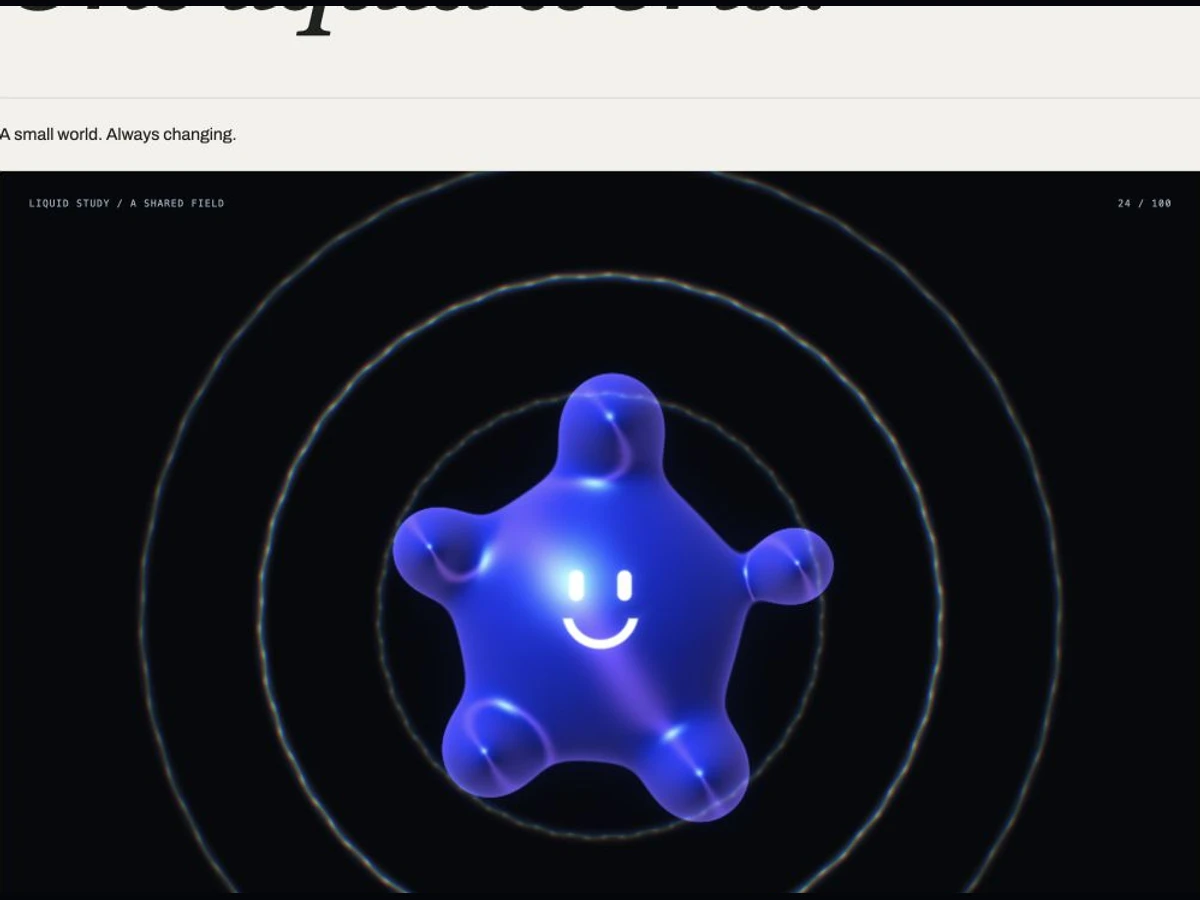
Separate the drops. Join the surface. Add light, a small expression and a little spectral rhythm.
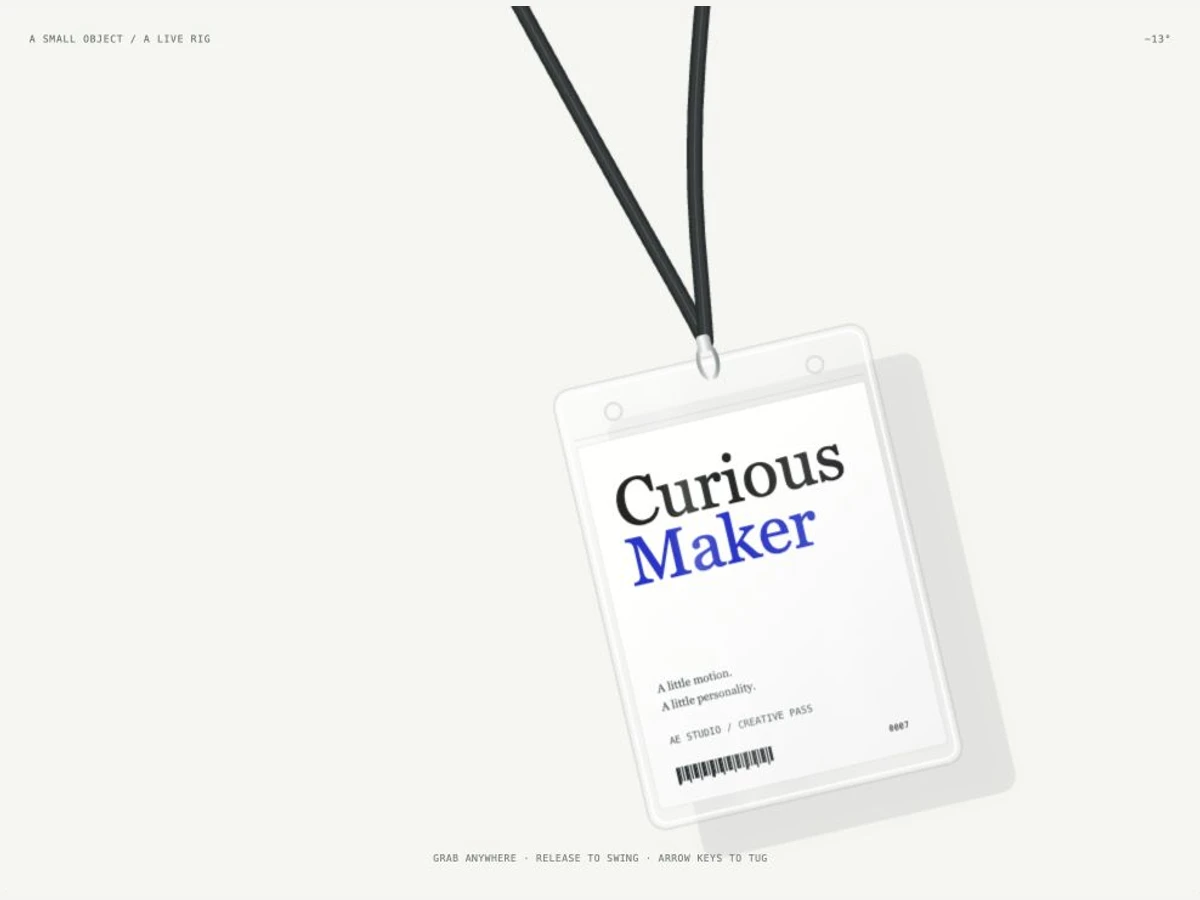
Grab a corner. Bend the strap. Build a clear badge holder and let a few constraints give it character.
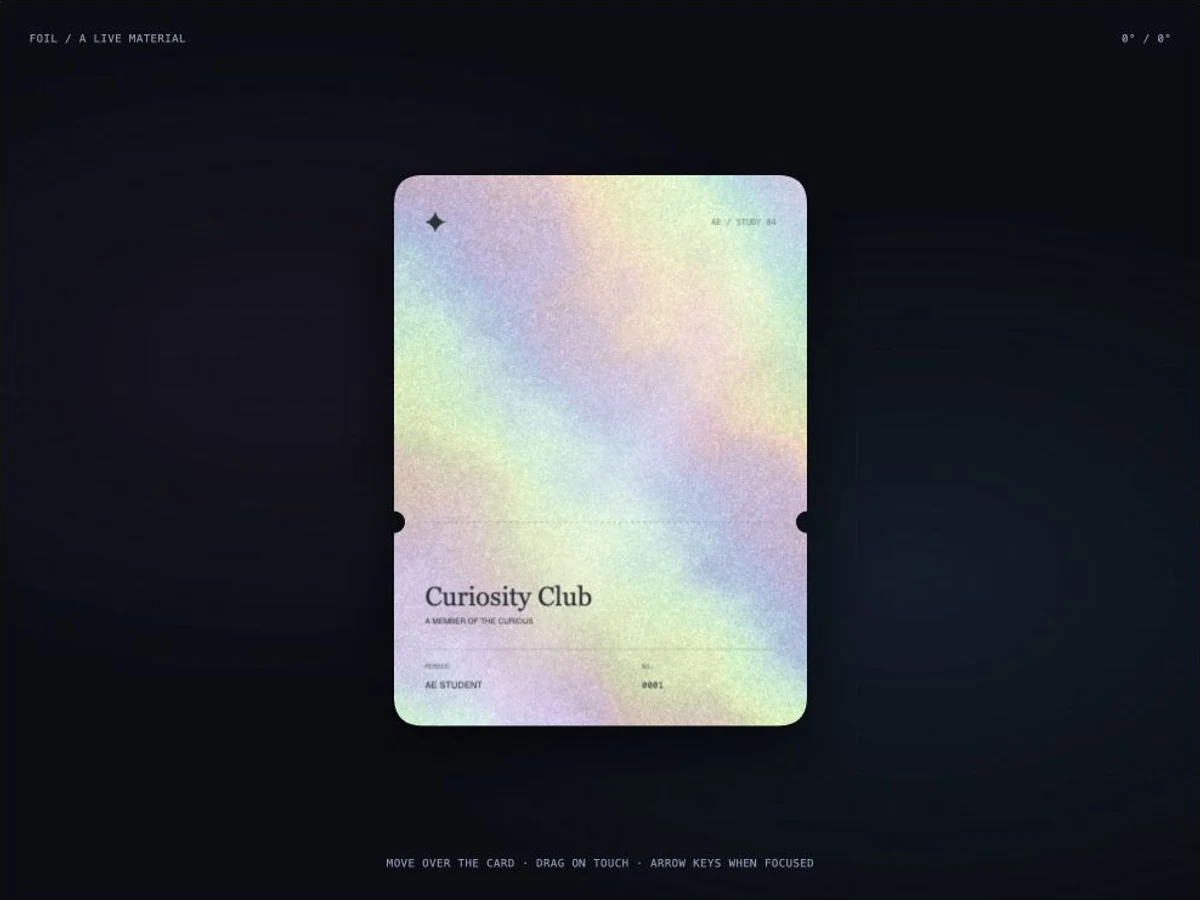
Cut a ticket. Layer colour and grain. Move the light, edit the copy, and save your own foil card.

Build two towers and a soft cloud. Scrub its passage, narrow the gap, and watch it find a way through.
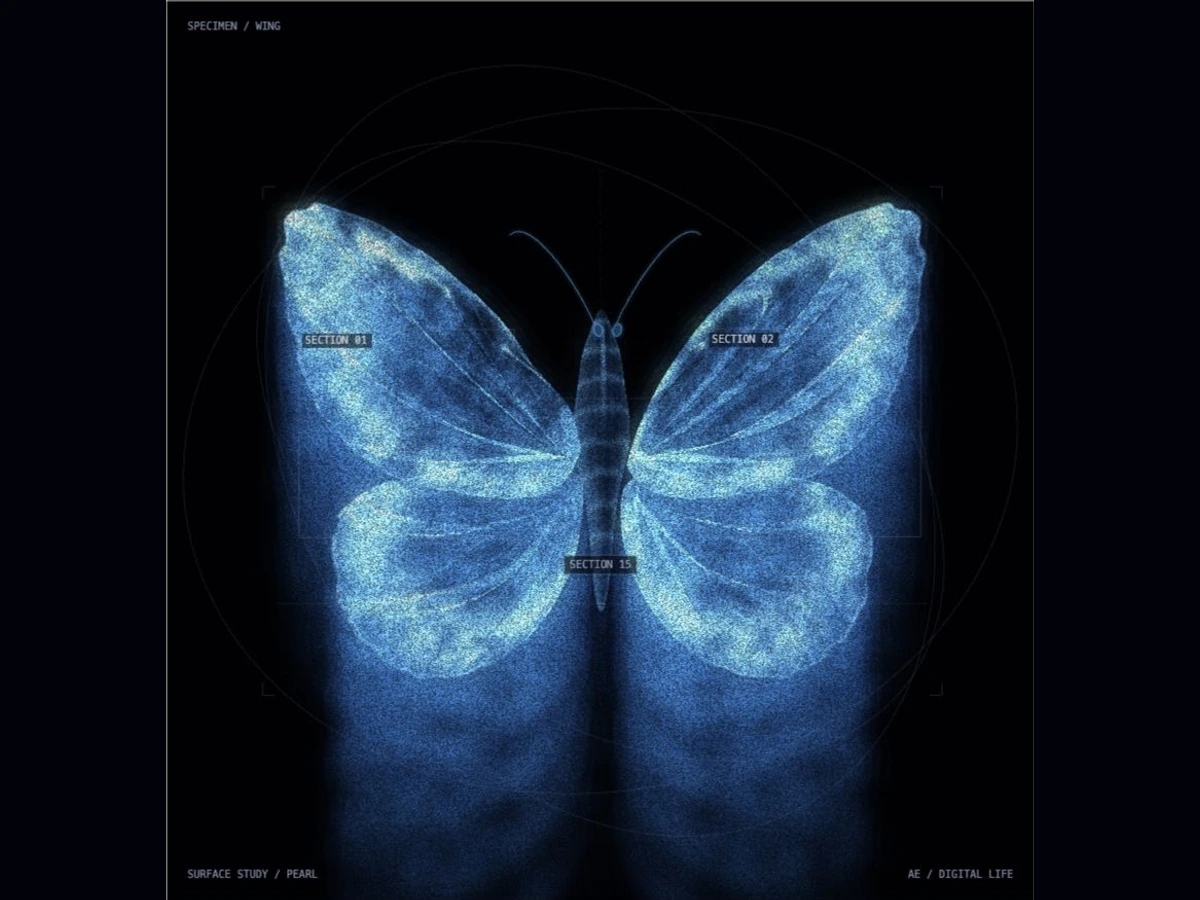
Grow a form from mirrored curves. Fold its surface, light the veins, and build a scanning language.
Reveal a UV grid. Move it, scale it, and see how the pattern responds.