The story of sashiko   /   02

One thread.
Many traditions.

Sashiko carries the character of a place. Climate, woven cloth and the knowledge passed between makers all shaped the stitch.

Northern Japan · Local knowledge

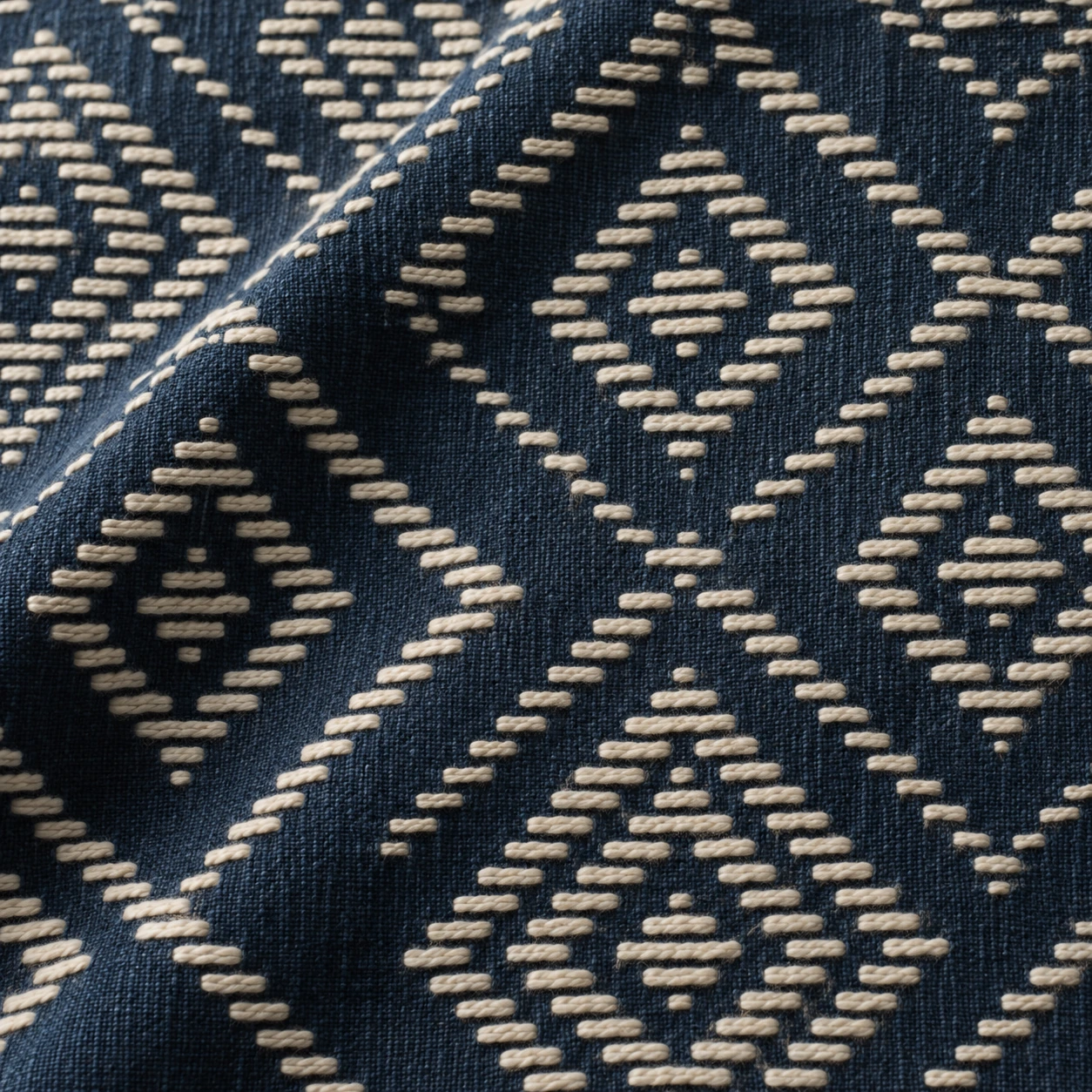
Close-up illustration of raised ivory cotton stitches forming stepped diamonds on indigo cloth.
Cloth study / 02Counted stitches, repeating diamonds.

A thread
through time

Tsugaru · Kogin-zashi

In western Aomori, kogin-zashi developed as a way to reinforce hemp clothing and retain warmth. White cotton thread stitched into indigo-dyed cloth became a familiar combination. Its counted stitches span odd numbers of warp threads, building geometric motifs from the structure of the weave.

Nanbu · Hishizashi

In the Nanbu area of eastern Aomori, hishizashi developed its own counted-thread tradition. Stitches commonly span even numbers of warp threads, forming distinctive diamond patterns. Related needs produced different local approaches; kogin-zashi and hishizashi each have their own identity.

Shōnai · Sashiko

The Shōnai area of Yamagata is another important home of sashiko. Its traditions include small, repeated stitches arranged in geometric patterns. These regional names remind us that Japanese stitching is a varied body of knowledge, shaped by particular communities rather than one fixed set of designs.

What are the different types of sashiko patterns?

Sashiko includes several approaches. Moyōzashi builds motifs along lines of running stitches; hitomezashi forms patterns from individual stitches arranged on a grid. Counted-thread traditions such as kogin-zashi and hishizashi follow the woven structure of the cloth.

How Sashiko helps: Sashiko includes original editable grid studies and a motif library with cloth previews and stories. Check the pattern detail to see which editing and stitch-preview options are available.
Which sashiko patterns are good for beginners?

A small, simple repeat is a useful first practice piece because it is easier to follow and finish. Straight rows and uncomplicated grids let you concentrate on the needle movement and the rhythm of the stitches.

How Sashiko helps: Try Aligned or Alternating rows in the app’s Basics collection. Then explore Paired bands, Cross rhythm or Mirror pairs as you become comfortable with different repeats.

What is the difference between sashiko and kogin-zashi?

Sashiko is a broad family of Japanese stitching practices. Kogin-zashi is a regional counted-thread tradition associated with Tsugaru in Aomori. It uses the weave as its guide and typically counts odd numbers of warp threads; Nanbu hishizashi commonly counts even numbers.

How Sashiko helps: Use the app’s motif stories and cloth previews to explore a design’s context. A grid study in the app and a traditional counted-thread technique can require different ways of working with the cloth.

What are Asanoha and Seigaiha patterns?

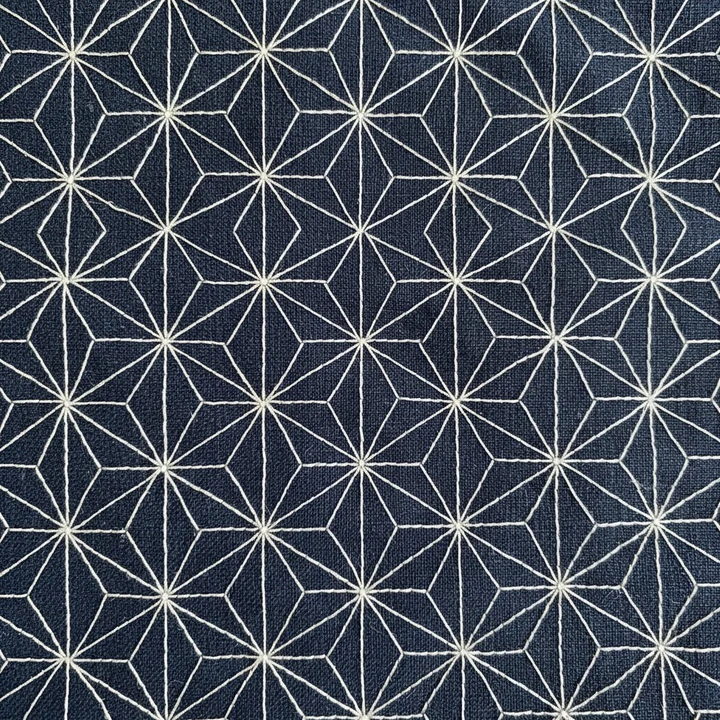
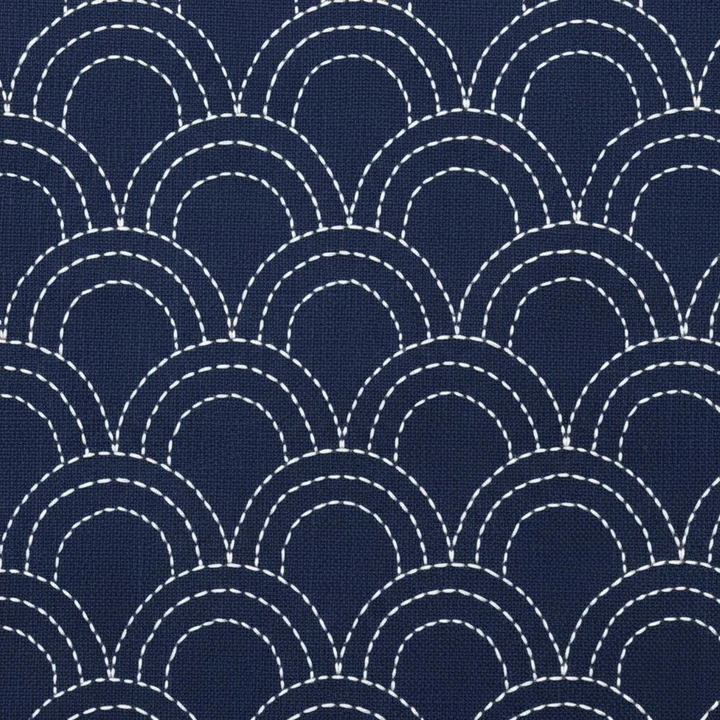
Asanoha is a geometric hemp-leaf motif made from repeating lines and triangles. Seigaiha is a wave motif built from overlapping arcs. Their shapes make them easy to recognise, while the way they are stitched depends on the particular chart and technique.

How Sashiko helps: Both appear in Sashiko’s motif library. Compare the cloth preview with the pattern illustration and open the pattern detail for its available project and stitching options.

Our pattern collections

Find your rhythm.

Begin with an editable grid study or explore the motif library. Choose a pattern that catches your eye, then make space for your own colour, scale and pace.

Editable collections

Original grid studies you can resize, turn into a project and print as an actual-size chart.

01

Basics

Start with aligned stitches and alternating rows or columns.

Aligned · Alternating rows

02

Bands

Group your stitches into paired, triple or wider bands.

Paired bands · Wide bands

03

Rhythms

Explore offsets, crossings and three- or four-beat repeats.

Cross rhythm · Three beat

04

Symmetry

Build a balanced design with mirrored pairs and windows.

Mirror pairs · Mirror window

The motif library

Look closer at geometric and curved designs, with cloth previews and pattern stories. Each pattern’s detail page shows the editing and stitching options available.

Asanoha hemp-leaf motif in pale thread on indigo cloth.
麻の葉 · Hemp leaf

Asanoha

A repeating star of lines and triangles, inspired by the shape of a hemp leaf.

Seigaiha overlapping wave arcs stitched in ivory on indigo cloth.
青海波 · Blue ocean waves

Seigaiha

Overlapping arcs build a calm, flowing repeat across the cloth.

Explore the collections in Sashiko

Sashiko for iPhone

From inspiration
to your next stitch.

Explore patterns, make a design your own, and carry it from screen to cloth. Plan your piece, print an actual-size chart and save your stitching progress with Sashiko.

  • Design your pattern
  • Print actual-size charts
  • Keep your place