A stitch with a purpose
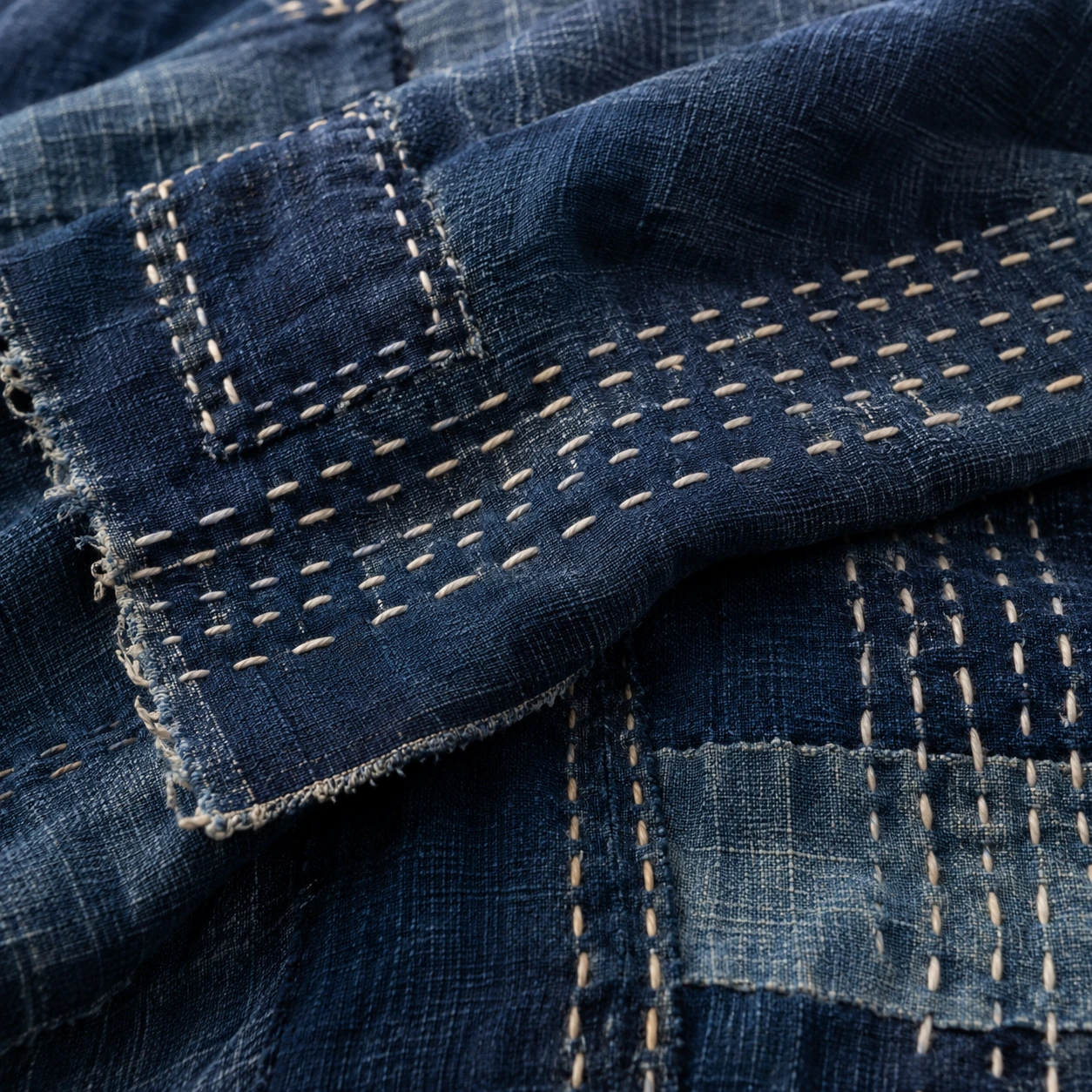
Sashiko (刺し子), often translated as “little stabs”, uses running stitches to reinforce cloth. Stitching could hold layers together, strengthen worn areas and help make clothing warmer. Its history belongs to everyday work as well as to decorative needlework.
Cloth worth keeping
During the Edo period (1603–1868), rural households developed stitching practices suited to the materials they could obtain. In northern Japan, cold winters and limited access to cotton made reinforcement especially useful. Making, repairing and passing on textiles took skill and time; women played a central role in this work.
Beauty in repetition
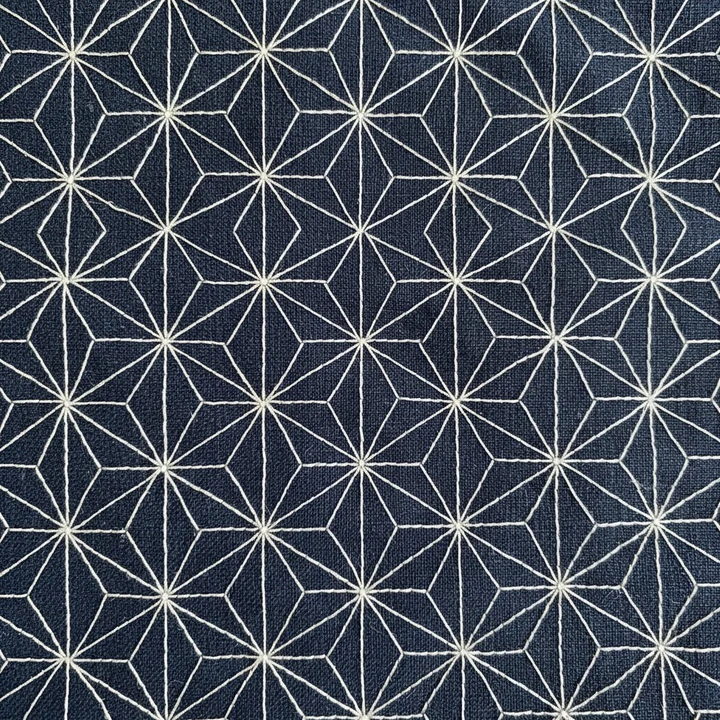
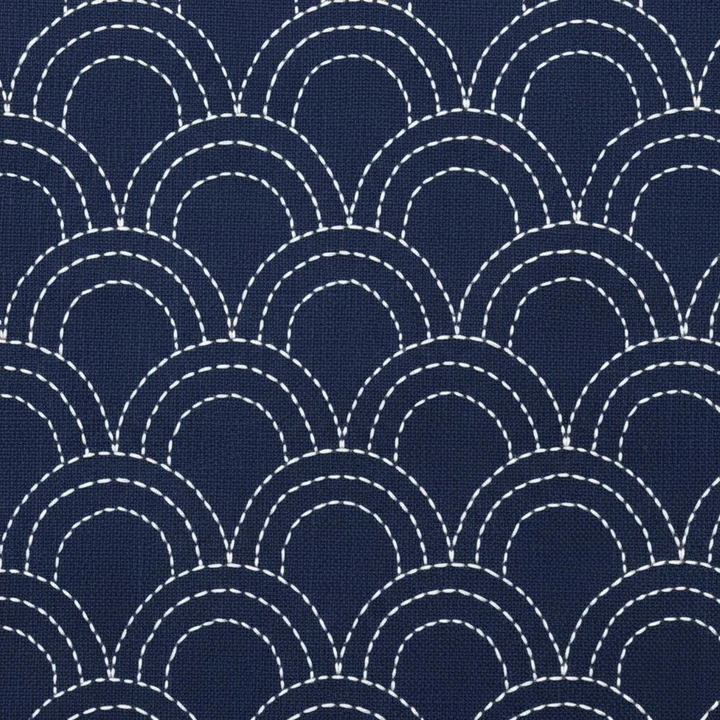
The repeated marks served a practical purpose, but they also gave cloth rhythm and character. The familiar pairing of pale thread and indigo fabric is one expression of the tradition. Sashiko has no single documented inventor or universal starting date: local practices developed and changed over generations.